← 🇮🇳 Indian history · usually met in Std 6-12
The first empire to hold most of the subcontinent, and the ruler who, after a war he won, publicly changed his mind about war.
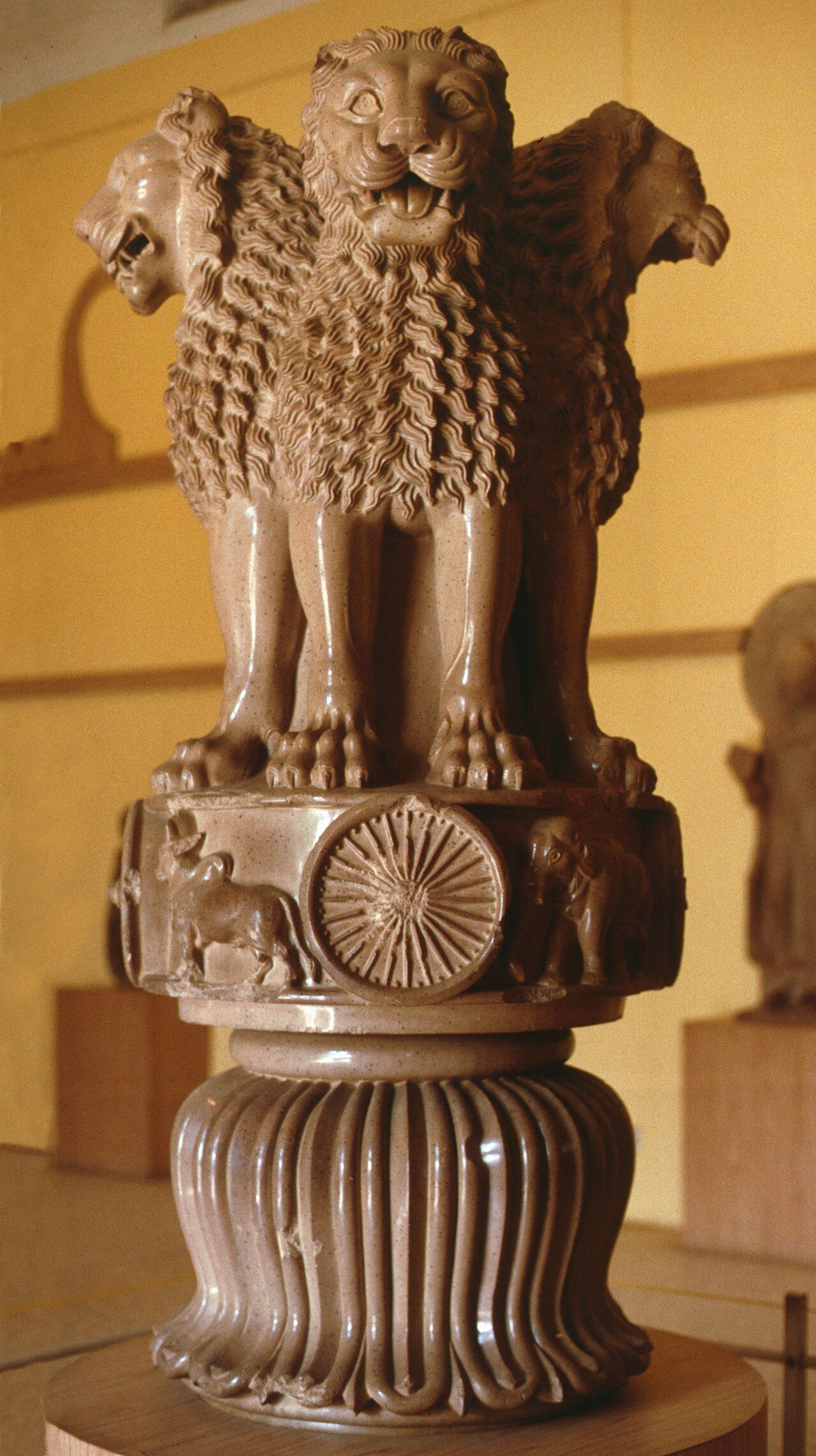
Chandragupta Maurya founded the empire around 321 BCE, advised by Chanakya, whose Arthashastra is a hard-headed manual of statecraft. The empire was administered through provinces, officials and an extensive network of spies and inspectors, with a capital at Pataliputra.
Ashoka, his grandson, conquered Kalinga in a war so destructive that, by his own account carved into rock, it turned him against conquest. His edicts, inscribed on pillars and rock faces across the subcontinent in the local scripts, speak of dhamma — right conduct, tolerance between sects, care for people and animals. They are also the first substantial written evidence of an Indian ruler explaining himself to the governed.
Want to see it moving? Search YouTube for “The Mauryan empire” ↗ — we send you to the search rather than to one video, because a link to one video eventually rots.
This entry was written for Star Student in our own words — it is a summary, not a source. Here is where the people who actually hold these facts keep them. Go and check.
Your own textbook ↗Balbharati publishes the textbooks free to read online. Your chapter is the thing to check first — an encyclopedia is a summary, and the syllabus is the syllabus. Archaeological Survey of India ↗The body that excavates and protects the sites — Harappa, the Ashokan pillars, the monuments themselves.Last gone through: 1 October 2026 · How these entries are written
 Ask GuruAcharya Samayeshwar
