← 🇮🇳 Indian history · usually met in Std 7-12
Roughly the fourth to sixth centuries CE, remembered for mathematics, astronomy, literature and sculpture rather than for the size of the empire.
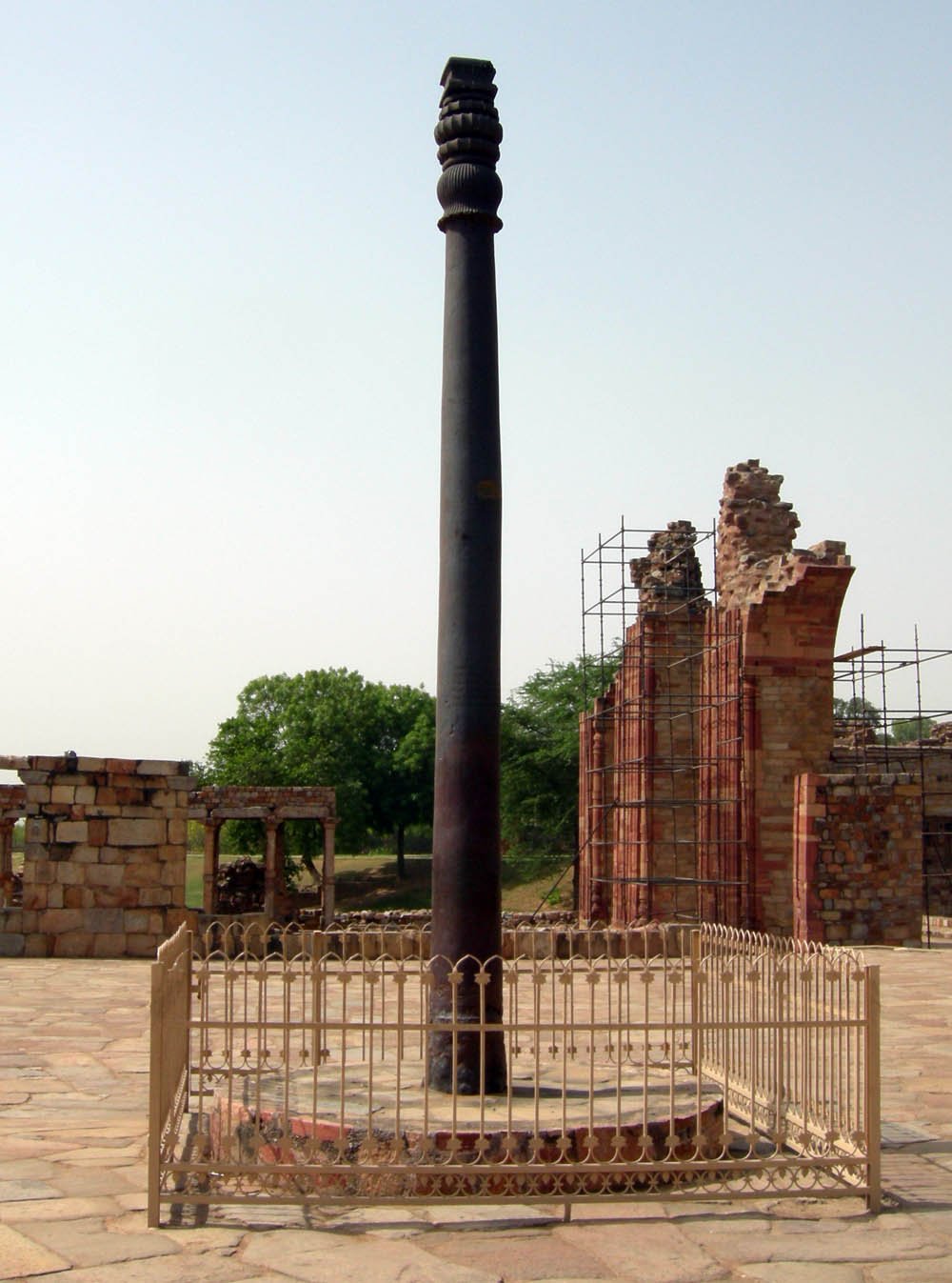
The Guptas ruled much of northern India and left a period of stability in which scholarship flourished. Aryabhata wrote on astronomy and mathematics; the decimal place-value system with zero was in use; Kalidasa wrote the plays and poems that became the standard of classical Sanskrit literature. Nalanda, nearby in time and place, grew into a monastic university drawing students from across Asia.
It is often called a golden age, which is worth treating carefully. The achievements are real, but the phrase describes court and scholarly life, not everybody's life, and social hierarchies were becoming more rigid in the same period. Good history holds both facts at once.
Want to see it moving? Search YouTube for “The Gupta period” ↗ — we send you to the search rather than to one video, because a link to one video eventually rots.
This entry was written for Star Student in our own words — it is a summary, not a source. Here is where the people who actually hold these facts keep them. Go and check.
Your own textbook ↗Balbharati publishes the textbooks free to read online. Your chapter is the thing to check first — an encyclopedia is a summary, and the syllabus is the syllabus. Archaeological Survey of India ↗The body that excavates and protects the sites — Harappa, the Ashokan pillars, the monuments themselves.Last gone through: 1 October 2026 · How these entries are written
 Ask GuruAcharya Samayeshwar
