← 🪐 Space · usually met in Std 6-12
Seventy years of leaving the planet, from the first satellite to robots on Mars — and India's own part in it.
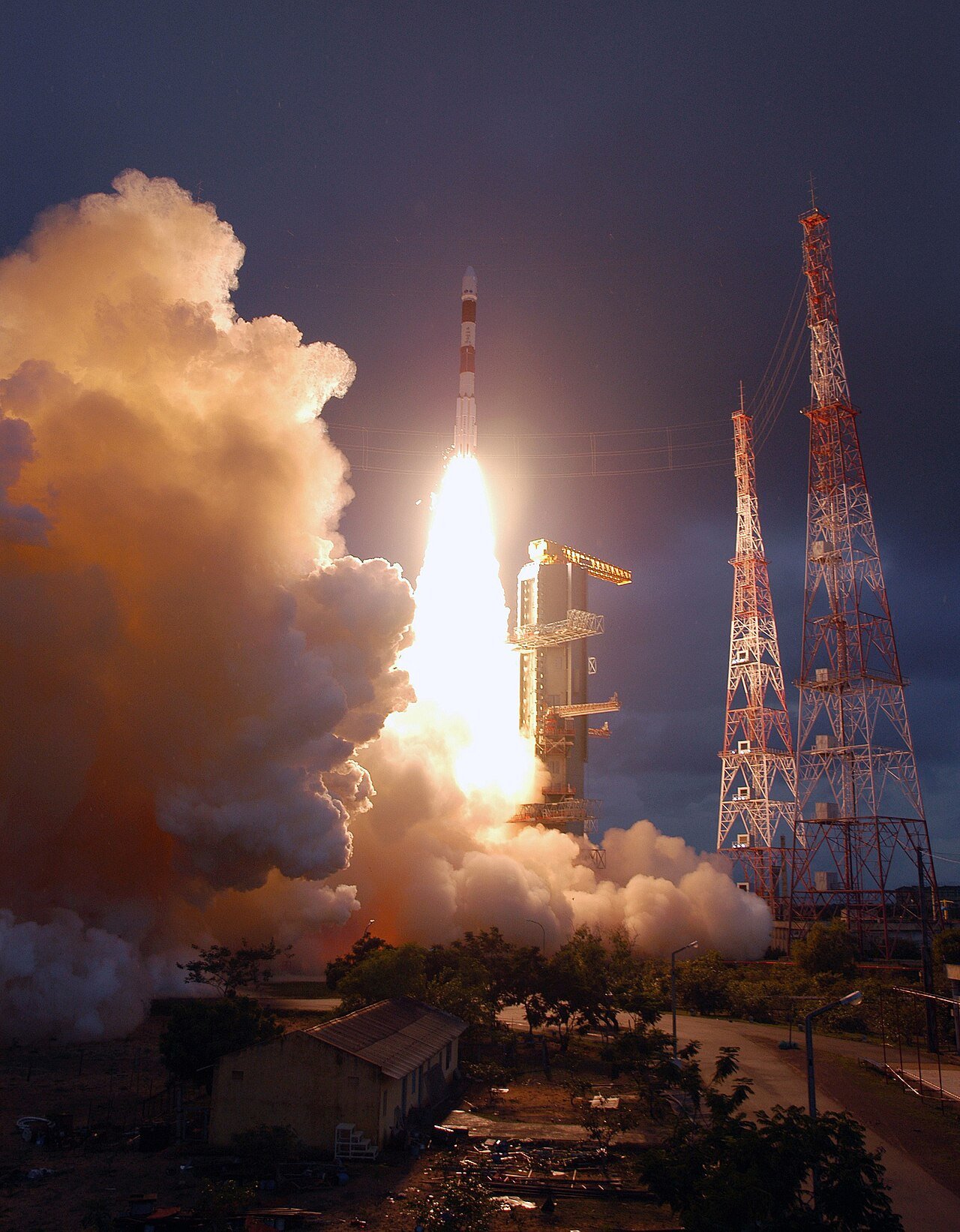
Sputnik reached orbit in 1957 and Yuri Gagarin became the first human in space in 1961. Apollo 11 landed on the Moon in 1969. Since then most exploration has been done by machines, because they are cheaper, need no air and do not have to come back: orbiters, landers and rovers have reached every planet in the solar system.
India's programme began with sounding rockets carried on bicycles at Thumba and now launches for much of the world. Chandrayaan-1 found evidence of water on the Moon in 2008. Mangalyaan reached Mars orbit in 2014 at the first attempt and at a famously small cost. Chandrayaan-3 landed in 2023, and Aditya-L1 was sent to study the Sun.
Want to see it moving? Search YouTube for “Space exploration” ↗ — we send you to the search rather than to one video, because a link to one video eventually rots.
This entry was written for Star Student in our own words — it is a summary, not a source. Here is where the people who actually hold these facts keep them. Go and check.
Your own textbook ↗Balbharati publishes the textbooks free to read online. Your chapter is the thing to check first — an encyclopedia is a summary, and the syllabus is the syllabus. ISRO ↗India's space agency — missions, instruments and results, first hand. NASA — the solar system ↗Planetary data and images from the people flying the spacecraft.Last gone through: 1 October 2026 · How these entries are written
 Ask GuruAcharya Samayeshwar
