← 🌍 Earth science · usually met in Std 5-10
Weathered rock mixed with decayed life, water and air. It takes centuries to form and can be lost in a season.
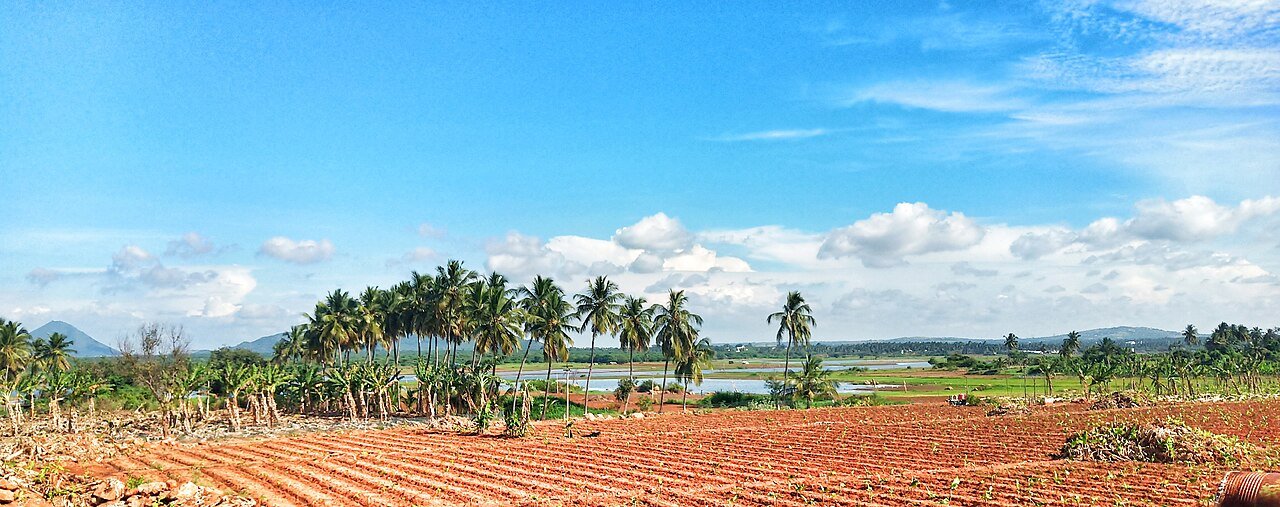
Soil forms as rock is broken down physically and chemically, and as dead plants and animals decay into humus. The result is a layered profile, with the darkest and richest layer usually near the top. Texture — the proportion of sand, silt and clay — decides how it holds water and air, and a soil that holds neither well grows little.
India's major soil types include the black cotton soils of the Deccan, which hold moisture well and crack deeply when dry; the alluvial soils of the northern plains, which are young and fertile; the red and laterite soils of the south and east; and desert and mountain soils. Erosion by wind and water, over-cultivation and salinisation from poor irrigation are the main ways soil is lost, and replacing it is not a matter of years.
Want to see it moving? Search YouTube for “Soil” ↗ — we send you to the search rather than to one video, because a link to one video eventually rots.
This entry was written for Star Student in our own words — it is a summary, not a source. Here is where the people who actually hold these facts keep them. Go and check.
Your own textbook ↗Balbharati publishes the textbooks free to read online. Your chapter is the thing to check first — an encyclopedia is a summary, and the syllabus is the syllabus. Geological Survey of India ↗Rocks, earthquakes, the Himalaya and seismic zoning. India Meteorological Department ↗The monsoon, rainfall and cyclone warnings, from the department that issues them.Last gone through: 1 October 2026 · How these entries are written
 Ask GuruAcharya Samayeshwar
