← 🌦️ Environment · usually met in Std 6-10
Living things and their surroundings working as one system, with energy flowing one way through it and materials cycling round.
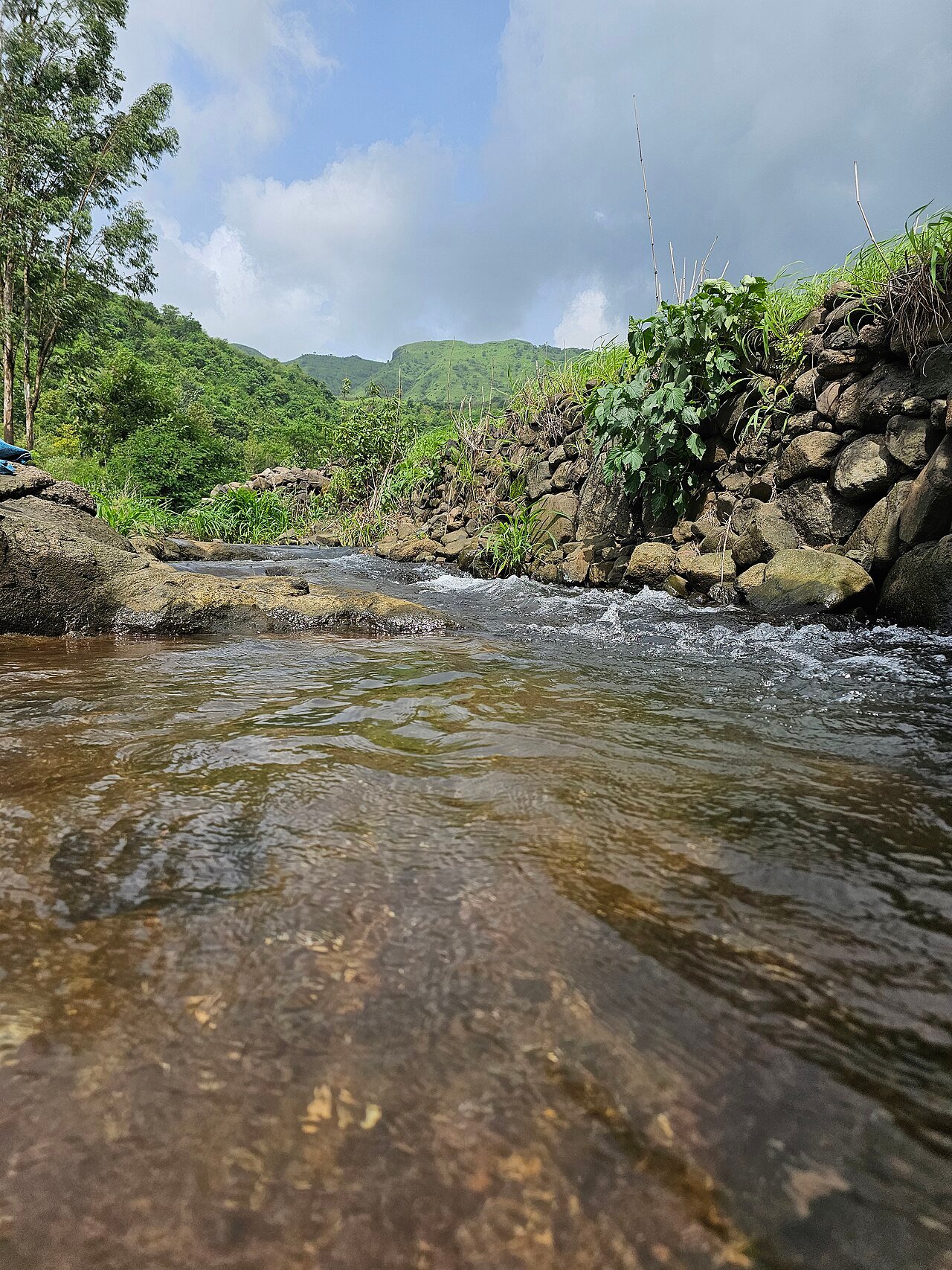
Producers — green plants — capture energy from sunlight. Herbivores eat them, carnivores eat the herbivores, and decomposers break down everything that dies and return the nutrients to the soil. Each step is a trophic level, and only a small fraction of the energy at one level, roughly a tenth, reaches the next; the rest has been spent on living. That is why food chains are short and why there are far fewer tigers than deer.
In reality chains interlock into webs, and removing one species can ripple through in ways nobody predicted. A keystone species holds a disproportionate amount of the structure together: remove the predator and the grazers multiply and strip the vegetation, and the system that looked stable turns out not to have been.
Want to see it moving? Search YouTube for “Ecosystems and food chains” ↗ — we send you to the search rather than to one video, because a link to one video eventually rots.
This entry was written for Star Student in our own words — it is a summary, not a source. Here is where the people who actually hold these facts keep them. Go and check.
Your own textbook ↗Balbharati publishes the textbooks free to read online. Your chapter is the thing to check first — an encyclopedia is a summary, and the syllabus is the syllabus. India Meteorological Department ↗The monsoon, rainfall and cyclone warnings, from the department that issues them. Zoological Survey of India ↗India's animal life, surveyed and catalogued since 1916.Last gone through: 1 October 2026 · How these entries are written
 Ask GuruAcharya Samayeshwar
