← ⚛️ Physics · usually met in Std 6-12
The movement of charge. A current is electrons flowing through a conductor, pushed by voltage and held back by resistance.
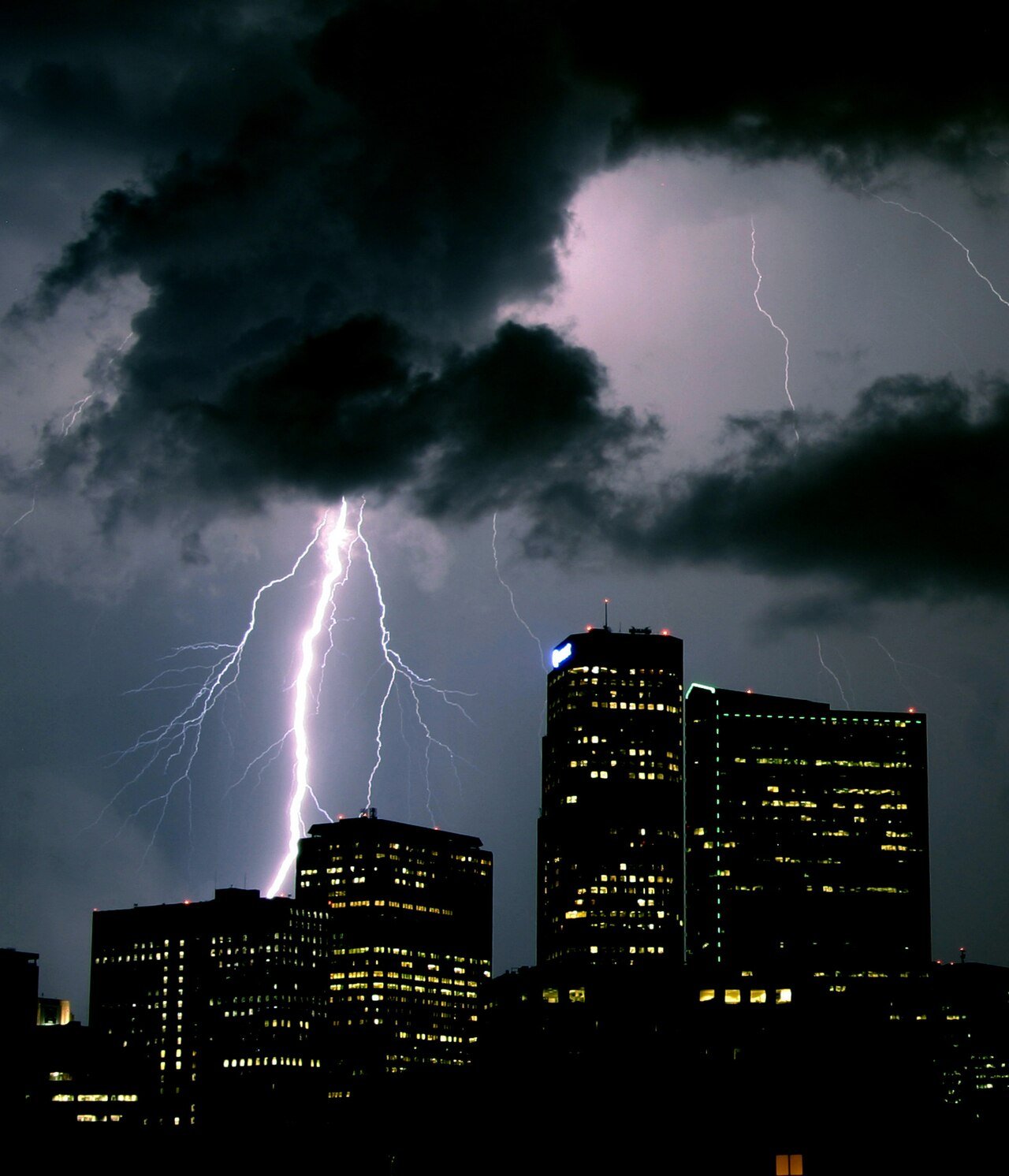
Charge comes in two kinds; like charges push apart and unlike charges pull together. In a metal, some electrons are free to move, and when a cell or a generator provides a push — voltage — those electrons drift through the wire as a current. Resistance is how much the material fights that drift, and Ohm's law ties the three together: voltage equals current times resistance.
A circuit must be a complete loop; break it anywhere and everything stops, which is all a switch does. In a series circuit the same current passes through everything in turn, so one failed bulb stops them all. In a parallel circuit each branch gets the full voltage and can fail on its own, which is why house wiring is parallel. A fuse is a deliberately weak link that melts before the wiring behind the wall can catch fire.
Want to see it moving? Search YouTube for “Electricity” ↗ — we send you to the search rather than to one video, because a link to one video eventually rots.
This entry was written for Star Student in our own words — it is a summary, not a source. Here is where the people who actually hold these facts keep them. Go and check.
Your own textbook ↗Balbharati publishes the textbooks free to read online. Your chapter is the thing to check first — an encyclopedia is a summary, and the syllabus is the syllabus.Last gone through: 1 October 2026 · How these entries are written
 Ask GuruAcharya Samayeshwar
