← 🌱 Biology · usually met in Std 7-12
Bacteria are living single cells, and most are harmless or useful. A virus is not really alive on its own — it is instructions in a shell that need a host cell to copy them.
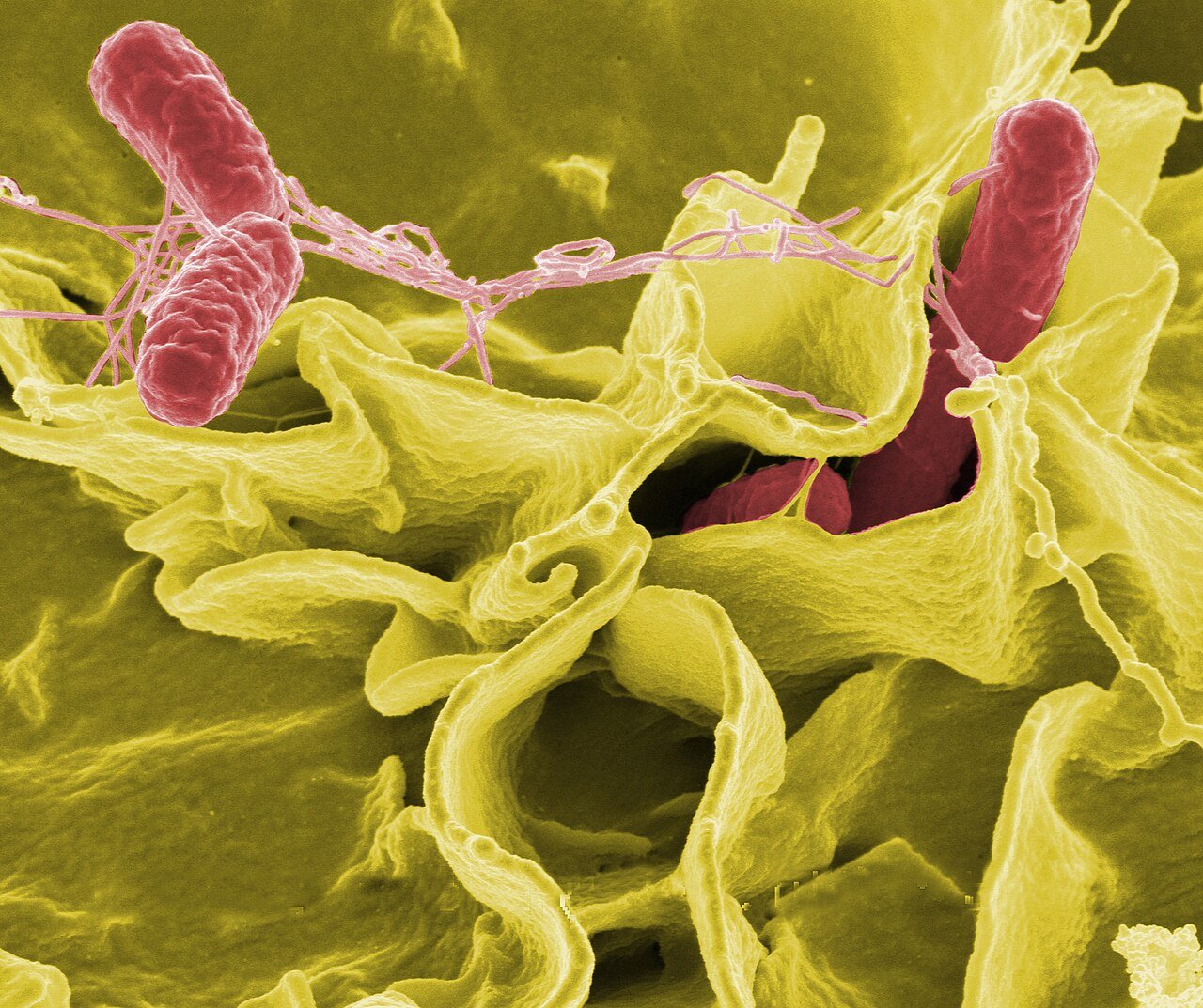
A bacterium is a complete cell: it feeds, grows and divides by itself. Most live in soil, water and inside other organisms without causing harm, and many are essential — gut bacteria help digestion, soil bacteria fix nitrogen, and curd is milk transformed by them. A minority cause disease, and antibiotics work against those.
A virus is far smaller and far simpler: genetic material in a protein coat, with no machinery of its own. It cannot reproduce until it gets inside a living cell and takes over that cell's equipment. This is why antibiotics are useless against it and why vaccines matter so much — preventing infection is far easier than attacking something hiding inside your own cells.
Want to see it moving? Search YouTube for “Bacteria and viruses” ↗ — we send you to the search rather than to one video, because a link to one video eventually rots.
This entry was written for Star Student in our own words — it is a summary, not a source. Here is where the people who actually hold these facts keep them. Go and check.
Your own textbook ↗Balbharati publishes the textbooks free to read online. Your chapter is the thing to check first — an encyclopedia is a summary, and the syllabus is the syllabus. Zoological Survey of India ↗India's animal life, surveyed and catalogued since 1916.Last gone through: 1 October 2026 · How these entries are written
 Ask GuruAcharya Samayeshwar
